
Doenjang is a fermented soybean paste, salty and savoury, with no chilli among its ingredients. Gochujang is a fermented chilli paste that tastes spicy, sweet and salty at once. The Taste Korean Food guide to gochujang, doenjang and ssamjang lists doenjang’s traditional ingredients as fermented soybeans (meju), salt and water, and gochujang’s as grains, red pepper powder (gochugaru), salt and water.
The same guide calls doenjang Korea’s foundational soybean paste and describes it as earthier and saltier than Japanese miso. Gochujang’s name translates literally to chilli paste. So the short answer is depth from one, heat and some sweetness from the other.
Jang is the name for this family of fermented soybean pastes and sauces, and at Rōnin Ōmakase the kitchen works with three of them: doenjang, gochujang and ganjang. Ganjang is Korean soy sauce. It is a by-product of the same process, since the liquid separated from the brined meju during doenjang making becomes ganjang, according to Taste Korean Food.
Ssamjang, whose name means wrapping sauce, is a blend rather than a separate ferment. The guide describes it as gochujang and doenjang mixed with sesame oil, garlic and green onion, so it sits between the two pastes in flavour.
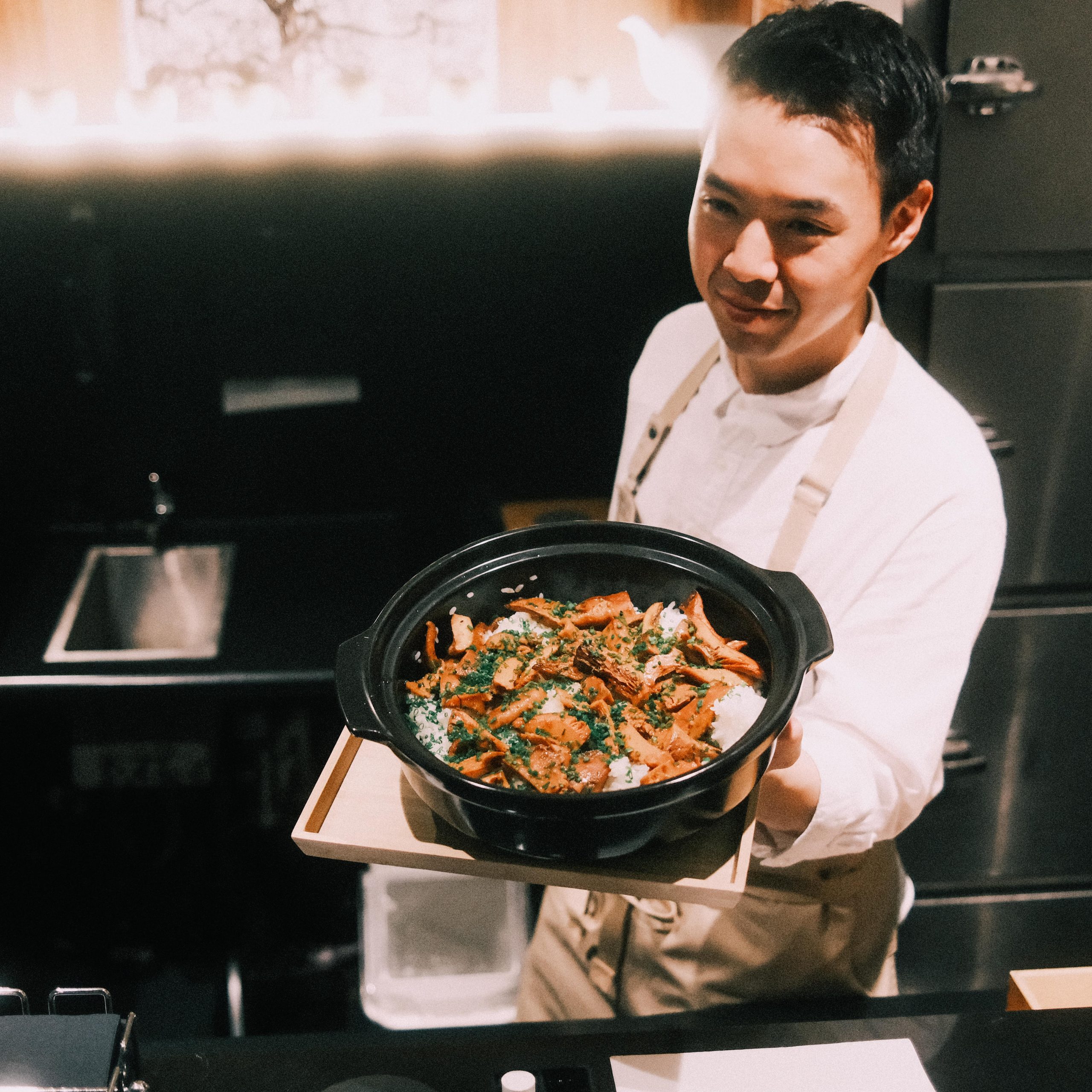
Rōnin opened at 445 Little Collins St in 2023 and turned to Korean cooking in 2026, the year Chef Liam Lee took over the counter. The cooking builds on Korean fermentation, jang and charcoal, plated with Australian seasonal produce. The omakase page sets out the shape of a night: banchan, raw and cured courses seasoned with jang, charcoal cooked courses, a noodle or rice course and dessert, about ten courses across roughly two hours.
Press coverage of the relaunch named both pastes. Broadsheet described a French-Korean yukhoe of raw beef with egg yolk, gochujang and sliced nashi pear, and SITCHU listed doenjang pil pil with snapper in April 2026. There is no printed menu and courses change with the produce, so neither dish is promised on a given night.
Gochujang appears, but heat is not the point: the Korean omakase in Melbourne page says the night is built on depth from fermentation, not on chilli. Banchan and ferments are made in house, which what banchan is covers. Chef Liam Lee learned multi-course Korean dining at Gyungbokgung Hanjungsik in Seoul before more than a decade leading Australian kitchens, including Nomad, Firebird and Studio Amaro.
Doenjang and ganjang are made from soybeans, which matters for anyone with a soy allergy. Rōnin runs on a single chef, and the FAQ states that dietary alterations cannot be accommodated, so read it before booking if soy is a problem for anyone in your party.
The omakase is from A$195 per guest (no prepayment required), paid at the end of the meal, with a 10% surcharge on weekends and 15% on public holidays. The counter runs Wednesday to Saturday from 6pm to 11pm, dinner only, and bookings open up to 90 days ahead on OpenTable. Book on OpenTable or email info@roninomakase.com.
No prepayment required: card details hold your seat and you pay at the end of the meal.
Call 0401 721 491 Email us info@roninomakase.com 445 Little Collins St, Melbourne VIC 3000